1066

About the Hospital

Apollo Hospitals Financial District is a premier Super Specialty Hospital and Quaternary care centre designed to serve Hyderabad’s thriving IT and corporate ecosystem in the heart of Gachibowli. This state-of-the-art facility delivers precision care across all specialties powered by cutting-edge technology—such as AI-driven diagnostics, robotic-assisted surgeries, next-generation Advanced ICUs, and high-definition imaging—for faster, more accurate outcomes and minimally invasive procedures.As a Smart hospital, it blends world-class specialist expertise with seamless digital infrastructure and integrated electronic health systems to ensure efficient, innovative, and compassionate care tailored for professionals and families in the tech corridor. 
0
Hospitals
0
+
Doctors
0
+
Diagnostic Centers
0
+
Clinics
0
+
Pharmacies

Hospital Location

Apollo Hospitals, Financial District, Hyderabad
D.No‑2‑105/6/SE, Financial District, Nanakramguda, Serilingampally Mandal, Rangareddy, Hyderabad – 500032

Care Led by Experts 
Driven by Compassion 

At Apollo Hospitals, our world-class doctors combine deep expertise with compassion to deliver exceptional patient care and outcomes.
Our Expert cards
defaultprofilepicmaledoctor
Dr J Sai Harish Reddy
Gastroenterology & Hepatology
9+ years , MBBS, MD, DM (Medical Gastroenterology)
defaultprofilepicmaledoctor
Dr Rohan P Reddy
Gastroenterology & Hepatology
15+ years , MD, DM
defaultprofilepicmaledoctor
Dr Tripuraneni Venkata Aditya Chowdary
Gastroenterology & Hepatology
14+ years , MBBS, MS (Gen Surgery), MCh (Surgical Gastroenterology)
defaultprofilepicmaledoctor
Dr Bharat Kumar Nara
Gastroenterology & Hepatology
20+ years , MBBS, MS, MCH (SGE), FHPB & LT, FMB
defaultprofilepicmaledoctor
Dr Prashanth Reddy A
Orthopedics
13+ years , MBBS, DNB ortho, M.Ch (Hip & knee)
defaultprofilepicmaledoctor
Dr Swapna Kunduru
Dermatology
14+ years , MBBS, MD DVL
defaultprofilepicmaledoctor
Dr B Harsha Vardhana Reddy
Orthopedics
10+ years , MBBS, D.Ortho, DNB (Ortho), MBA (Hospital Administration)
dr.-sudheer-koganti.jpg.jpeg
Dr Sudheer Koganti
Cardiac Sciences
24+ years , MBBS (AFMC), MRCP (UK), FRCP (London & Glasgow), CCT Cardiology (London, UK)
defaultprofilepicfemaledoctor
Dr Astha Sarda
Cosmetology & Plastic Surgery
5+ years , MBBS, MS, MCh, DrNB
defaultprofilepicmaledoctor
Dr P Banu Teja Reddy
Urology
9+ years , MBBS, MS, MCh (Uro), DrNB (Uro)
Discover Our Top Specialities 
Experience world-class healthcare at Apollo’s specialized centres of medical excellence where cutting-edge innovation and expert care set new global standards in clinical outcomes.
icon
Cardiac Sciences
icon icon
Apollo's Cardiac Sciences department is at the forefront of cardiac care in India and beyond, offering a comprehensive range of services from advanced diagnostics and minimall...
Our Procedures
  • Abdominal Hysterectomy
icon
Neurosciences
icon icon
The Institute of Neurosciences at Apollo Hospitals in India is well equipped to treat neurological diseases including stroke, headache, epilepsy, coma, neuropathies, multiple sclerosis, myopathies, Parkinson’s disease, Myasthenia Gravis , head injury, tumours , spinal disorders and many more.
Our Procedures
  • Intestine Transplant
icon
Gastroenterology & Hepatology
icon icon
Apollo Institute of Gastroenterology is dedicated to providing comprehensive care for disorders affecting the digestive tract, liver, and pancreatico-biliary systems. With a team of expert gastroenterologists and the latest in diagnostic and treatment technologies, we focus on diagnosing, preventing, and effectively treating a wide range of gastrointestinal conditions. Our commitment to innovative procedures ensures that patients receive the highest standard of care, helping them achieve better digestive health and overall well-being.
Our Procedures
  • Major Hepatectomy
icon
Pediatric Orthopaedics
icon icon
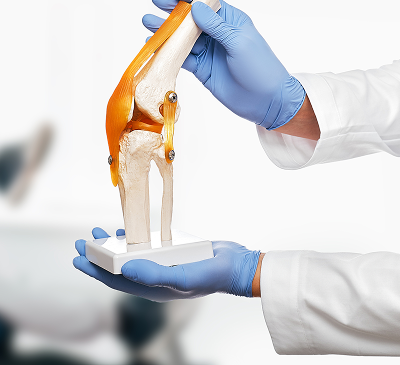
At Apollo Institutes of Orthopedics, we offer more than just treatment -- we offer a partnership in health that begins with your musculoskeletal system but extends to your overall well-being.
Our Procedures
  • Abdominal Hysterectomy
icon
Transplants
icon icon
At Apollo Transplant Institutes, our world-class transplant team represents the pinnacle of medical expertise and specialized care. Each team member brings extensive experience and specialized training from renowned institutions globally, working in perfect synchronization to deliver exceptional patient outcomes. Our multidisciplinary approach ensures that every aspect of your transplant journey is managed by dedicated specialists who are leaders in their respective fields.
Our Procedures
  • Abdominal Colectomy
icon
Oncology
icon icon
Apollo Cancer Centre, Hyderabad is recognized as a leading cancer hospital in Hyderabad, providing comprehensive cancer care from prevention to rehabilitation. With a legacy of 35 years of cancer care excellence, we lead the way in delivering cutting-edge treatment methods to our patients.
Our Procedures
  • Bronchial Thermoplasty
  • Abdominal Wall Reconstruction
icon
ENT
icon icon
Apollo Hospitals, Financial District, Hyderabad is considered the leading ENT care centre in Hyderabad for its advanced treatments and intricate procedures that yield effective results. We utilise cutting-edge technology to minimise recovery time and enhance outcomes.
Our Procedures
icon
Gynaecologist
icon icon
The Gynaecology Department at Apollo Hospitals, Financial District, Hyderabad, sets the standard for women’s healthcare in Hyderabad. From routine checkups to complex procedures, we treat the unique needs of women throughout every life stage. Pioneers in advanced treatments, we take pride in being the first to perform gynaecologic robotic surgery for uterine tumours in India.
Our Procedures
icon
Urology
icon icon
At Apollo Hospitals, widely regarded as the top Urology hospital in India, we believe in combining medical expertise with a patient-first approach to deliver the best Urological care. Our multidisciplinary teams are committed to
Our Procedures
  • Bladder removal surgery cystectomy
  • Bladder Stones removal
  • Circumcision
  • DJ Stenting
  • Endoscopic Stone Surgery
  • Holmium laser prostate surgery
  • Kidney Stones removal Nephrolithotomy
  • Laparoscopic Urology Surgery
  • Laser Prostate Surgery
  • Laser Surgery for Stone Removal
  • Lithotripsy
  • Nephrectomy
  • PCNL
  • Prostate biopsy
  • Prostate brachytherapy
  • Prostate Surgery
  • Prostatectomy
  • Robotic Cystectomy
  • Robotic Prostatectomy
  • Robotic Surgery Urology
  • TOT Repair
  • TURBT Urology
  • TURP
  • Undescended testicle
  • Urinary Incontinence Treatment
  • Varicocele Treatment
icon
Bariatric Surgery
icon icon
Apollo Hospitals, Financial District, Hyderabad has been associated with clinical excellence, advanced technology, and patient-centred care. We are trusted by many patients looking for a safe and effective way to lose weight. Here are some of the reasons our patients consider us to be the best bariatric surgery hospital in Hyderabad:
Our Procedures
icon
Colorectal Surgery
icon icon
Colorectal surgery is the medical specialty that treats diseases of the colon, rectum, and anus. This surgery is commonly referred to as Proctology, although this term is rarely used in modern medical practice. When it is used, it is typically employed specifically to describe procedures involving the anus or rectum.
Our Procedures
  • Colorectal Surgery
  • Colostomy

icon
Critical Care
icon icon
Critical care involves providing exceptional care to patients experiencing severe illness or who are in life-threatening situations requiring constant clinical attention. This means the medical team must monitor the condition of these patients and respond quickly and efficiently. At Apollo Hospitals, Financial District, Hyderabad, we strive to deliver this level of care through advanced technology and our highly skilled medical staff.
Our Procedures
icon
Critical Care & Emergency Medicine
icon icon
Medical emergencies can strike without warning. Timely action is crucial under unpredictable circumstances, such as heart attacks, traffic accidents, or strokes. With the most up-to-date technologies, you need a reliable institution that can provide you with professional care around the clock.
Our Procedures
Why Choose Apollo Financial District?
  • Clinical Expertise & Multispecialty Care: Experienced clinicians and integrated teams provide specialised medical care across all major healthcare disciplines.
  • Advanced Medical Infrastructure: Our facility boasts premier medical infrastructure, utilising advanced technology to facilitate high-precision diagnostics and complex treatments.
  • 24x7 Emergency & Critical Care: Emergency, trauma, and intensive care services operate 24 hours daily, complemented by a round-the-clock ambulance service for urgent care.
  • High Standards of Patient Safety: Our commitment to patient well-being is reflected in our strict adherence to globally recognised clinical safety and quality standards.
  • Seamless Admission & Discharge: Optimised administrative procedures ensure rapid processing, minimal wait times, and a smooth transition for every patient.
  • Integrated Diagnostic Services: On-site laboratories and radiology departments deliver immediate results, ensuring clinical teams receive full diagnostic integration.
  • Patient Comfort & Support Services: Our patient support procedures include the provision of comfortable facilities and amenities to assist with the recovery process.
  • International Patient Assistance: Standardized procedures for international patients include full treatment coordination and assistance with all aspects of their care.
  • Prime Location & Accessibility: The hospital is situated in the Financial District, providing direct connectivity to all major Hyderabad areas.
Your Guide to Better Health
v-library4.jpg
What is Genomic Testing for Cancer? | Apollo Hospitals
Lorem Ipsum is simply dummy text of the printing and typesetting industry. Lorem Ipsum has been the industry's standard dummy text ever since the 1500...
image
Apollo Hospitals | Diabetes | Dr. SK Wangnoo
image
Your lungs have a story to tell, are you listening?
image
Experts from Apollo Cancer Conclave 2024: Dr . Geeta Kadyaprath
image
Early Detection Saves Lives: The Importance of Cancer Screening with Dr. Prathyush
image
v-library4.jpg
What is Genomic Testing for Cancer? | Apollo Hospitals
Lorem Ipsum is simply dummy text of the printing and typesetting industry. Lorem Ipsum has been the industry's standard dummy text ever since the 1500...
09.Apr.2025
Apollo Hospitals | Diabetes | Dr. SK Wangnoo
09.Apr.2025
Your lungs have a story to tell, are you listening?
09.Apr.2025
Experts from Apollo Cancer Conclave 2024: Dr . Geeta Kadyaprath
09.Apr.2025
Early Detection Saves Lives: The Importance of Cancer Screening with Dr. Prathyush
09.Apr.2025
Accreditations
Apollo Insurance Partners
Patient Facilities & Infrastructure
ip---op-facility.jpg.jpeg
IP / OP Facilities
patient-care.jpg.jpeg
Superior patient care
550-bed.jpg.jpeg
550-bed facility
coe.jpg.jpeg
Renowned centres of excellence
Health Insurance & Cashless Treatments
Pre-Authorisation Process 1
icon icon

The pre-authorisation process is a crucial step that determines whether your treatment qualifies for cashless coverage. The approach differs based on whether it is a planned hospitalisation or an emergency.

  • Advanced Trauma & Emergency Care: 2 If you are undergoing a scheduled medical procedure, you must inform your health insurer or the Third Party Administrator (TPA) at least 2–3 days before admission. This allows the insurance company to assess your case and grant pre-authorisation in time.
  • AI-Powered Diagnostics: In case of an unforeseen medical emergency, the insurance provider should be notified immediately after admission. Since emergencies require urgent attention, the insurer processes the request as quickly as possible to avoid delays in treatment.

Pre-Authorisation Process 2
icon icon

The pre-authorisation process is a crucial step that determines whether your treatment qualifies for cashless coverage. The approach differs based on whether it is a planned hospitalisation or an emergency.

  • Advanced Trauma & Emergency Care: 2 If you are undergoing a scheduled medical procedure, you must inform your health insurer or the Third Party Administrator (TPA) at least 2–3 days before admission. This allows the insurance company to assess your case and grant pre-authorisation in time.
  • AI-Powered Diagnostics: In case of an unforeseen medical emergency, the insurance provider should be notified immediately after admission. Since emergencies require urgent attention, the insurer processes the request as quickly as possible to avoid delays in treatment.234234234
Pre-Authorisation Process 3
icon icon

The pre-authorisation process is a crucial step that determines whether your treatment qualifies for cashless coverage. The approach differs based on whether it is a planned hospitalisation or an emergency.

  • Advanced Trauma & Emergency Care: 3453453452 If you are undergoing a scheduled medical procedure, you must inform your health insurer or the Third Party Administrator (TPA) at least 2–3 days before admission. This allows the insurance company to assess your case and grant pre-authorisation in time.
  • AI-Powered Diagnostics: In case of an unforeseen medical emergency, the insurance provider should be notified immediately after admission. Since emergencies require urgent attention, the insurer processes the request as quickly as possible to avoid delays in treatment.

Pre-Authorisation Process 4
icon icon

The pre-authorisation process is a crucial step that determines whether your treatment qualifies for cashless coverage. The approach differs based on whether it is a planned hospitalisation or an emergency.

  • Advanced Trauma & Emergency Care: 2 If you are undergoing a scheduled medical procedure, you must inform your health insurer or the Third Party Administrator (TPA) at least 2–3 days before admission. This allows the insurance company to assess your case and grant pre-authorisation in time.
  • AI-Powered Diagnostics: In case of an unforeseen medical emergency, the insurance provider should be notified immediately after admission. Since emergencies require urgent attention, the insurer processes the request as quickly as possible to avoid delays in treatment.
Pre-Authorisation Process 1
icon icon

The pre-authorisation process is a crucial step that determines whether your treatment qualifies for cashless coverage. The approach differs based on whether it is a planned hospitalisation or an emergency.

  • Advanced Trauma & Emergency Care: 2 If you are undergoing a scheduled medical procedure, you must inform your health insurer or the Third Party Administrator (TPA) at least 2–3 days before admission. This allows the insurance company to assess your case and grant pre-authorisation in time.
  • AI-Powered Diagnostics: In case of an unforeseen medical emergency, the insurance provider should be notified immediately after admission. Since emergencies require urgent attention, the insurer processes the request as quickly as possible to avoid delays in treatment.
Pre-Authorisation Process 2
icon icon

The pre-authorisation process is a crucial step that determines whether your treatment qualifies for cashless coverage. The approach differs based on whether it is a planned hospitalisation or an emergency.

  • Advanced Trauma & Emergency Care: 2 If you are undergoing a scheduled medical procedure, you must inform your health insurer or the Third Party Administrator (TPA) at least 2–3 days before admission. This allows the insurance company to assess your case and grant pre-authorisation in time.
  • AI-Powered Diagnostics: In case of an unforeseen medical emergency, the insurance provider should be notified immediately after admission. Since emergencies require urgent attention, the insurer processes the request as quickly as possible to avoid delays in treatment.
Pre-Authorisation Process 3
icon icon

The pre-authorisation process is a crucial step that determines whether your treatment qualifies for cashless coverage. The approach differs based on whether it is a planned hospitalisation or an emergency.

  • Advanced Trauma & Emergency Care: 2 If you are undergoing a scheduled medical procedure, you must inform your health insurer or the Third Party Administrator (TPA) at least 2–3 days before admission. This allows the insurance company to assess your case and grant pre-authorisation in time.
  • AI-Powered Diagnostics: In case of an unforeseen medical emergency, the insurance provider should be notified immediately after admission. Since emergencies require urgent attention, the insurer processes the request as quickly as possible to avoid delays in treatment.
Pre-Authorisation Process 4
icon icon

The pre-authorisation process is a crucial step that determines whether your treatment qualifies for cashless coverage. The approach differs based on whether it is a planned hospitalisation or an emergency.

  • Advanced Trauma & Emergency Care: 2 If you are undergoing a scheduled medical procedure, you must inform your health insurer or the Third Party Administrator (TPA) at least 2–3 days before admission. This allows the insurance company to assess your case and grant pre-authorisation in time.
  • AI-Powered Diagnostics: In case of an unforeseen medical emergency, the insurance provider should be notified immediately after admission. Since emergencies require urgent attention, the insurer processes the request as quickly as possible to avoid delays in treatment.
layer_line.png
Get proactive - 
Be ProHealth !
Build your ProHealth plan now
The ProHealth Program provides a personalized health plan with risk analysis, tailored packages, advanced diagnostics, and expert guidance to improve your well-being.
yoga.png
Pro Health Packages
Apollo ProHealth
Apollo ProHealth Executive Health Program - Apollo
₹8200.00/-
Master
Your ProHealth digital report is simple, clear, and easy to understand. It brings together test results, AI-powered risk scores, doctor’s interpretati.....
With ProHealth, care doesn’t stop after your health check. Even after your health check, your dedicated health mentor will guide you on diet, exercise..... View More
Age Range
18+
Gender
Male, Female
Location
Apollo Health City Jubilee Hills
Apollo ProHealth
Apollo Prohealth Summer Package - Apollo Hospitals
₹5800.00/-
Summer
Your ProHealth digital report is simple, clear, and easy to understand. It brings together test results, AI-powered risk scores, doctor’s interpretati.....
With ProHealth, care doesn’t stop after your health check. Even after your health check, your dedicated health mentor will guide you on diet, exercise..... View More
Age Range
18+
Gender
Male, Female
Location
Apollo Hospitals Secunderabad
Apollo ProHealth
Apollo ProHealth Whole Body Program - Apollo Hospi
₹12800.00/-
Full Body
  Your ProHealth digital report issimple, clear, and easy to understand. It brings together test results,AI-powered risk scores, doctor’s interpr.....
  With ProHealth, care doesn’t stop after your health check. Even after yourhealth check, your dedicated health mentor will guide you on diet, ex..... View More
Age Range
18+
Gender
Male, Female
Location
Apollo Hospitals Secunderabad
International Patient Care
Experience the inspiring journeys of patients who found hope, healing, and care at Apollo Hospitals.
visa.png
Visa support
airport.png
Airport pickup & accommodation
dedicated.png
Dedicated coordinators
Quick Links: Travel Guide, Treatment Guide
×
Other Hospitals In Hyderabad
With 74 hospitals and a vast nationwide network, Apollo 
delivers world-class healthcare across India.
Health Blogs
Stay informed with expert-written health blogs covering prevention, treatments, lifestyle tips, and medical advancements.
health_blog1.jpg
November 28, 2025
Understanding Diabetes: Early Signs, Foot Complications and Ways to protect yourself
Diabetes often develops quietly, with many early symptoms going unnoticed until blood sugar levels rise significantly. One of the first signs people experience is constant tiredness and unusual thirst. When blood sugar remains high, the body cannot use glucose effectively for energy. As a result, even with enough sugar in the bloodstream, your cells feel starved, leading to persistent fatigue. High glucose also pull water from body tissues, causing dryness and excessive thirst, often accompanied by frequent urination.Doctors advise paying attention to 10 subtle warning signs of diabetes, which include tiredness, recurrent thirst, frequent urination, unexplained weight loss, increased hunger, slow-healing wounds, tingling or numbness, repeated infections, blurry vision, and dark patches on the neck or underarms known as acanthosis. These symptoms may seem harmless initially but should never be ignored, especially if they last for more than two to three weeks.Another commonly overlooked symptom is constant hunger even after meals. This occurs because sugar from food does not efficiently enter the cells due to insulin resistance, leaving the body feeling undernourished despite eating adequately.If you experience any of these signs, especially sudden weight loss, persistent thirst, or a family history of diabetes, it is essential to consult a doctor immediately. Simple tests like fasting blood sugar or HbA1c can confirm diabetes quickly.  Diabetic Foot: Why Early Detection MattersFoot problems are among the most serious complications of diabetes. Symptoms such as numbness, tingling, burning pain, dry skin, slow-healing wounds, and loss of sensation indicate nerve damage or poor circulation. When small injuries go unnoticed, they can progress into ulcers, infections, and in severe cases, amputation.Diabetic socks play a helpful preventive role. They reduce pressure on the feet, prevent moisture build-up, improve circulation, and minimise friction, which is particularly valuable for those with reduced sensation.Seek urgent medical care if you notice spreading wounds, blackened skin, foul-smelling discharge, swelling, fever, or sudden pain. These signs require immediate attention.Daily habits like inspecting your feet, wearing well-fitting footwear, avoiding walking barefoot, moisturising properly, and keeping sugar levels controlled significantly reduce complications. Regular exercise, quitting smoking, and routine foot check-ups are strongly recommended.Featuring insights from Dr. Dilipan Selvam A, Consultant – Internal Medicine, Apollo Speciality Hospitals, Vanagaram, Chennai? For appointments, call Apollo Hospitals Chennai at 044 4040 1066
health_blog2.jpg
February 18, 2025
Understanding Black Blood During Periods: Causes, Symptoms, and When to Seek Help
Menstrual cycles are a cornerstone of reproductive health and can provide insights into a woman’s overall well-being. Occasionally, changes in menstrual flow, such as the appearance of black blood, can be confusing or concerning. This article explores what black blood during periods means, common causes, associated myths, and practical advice for managing it effectively. What Does Black Blood in Periods Indicate? Black menstrual blood usually signifies older blood that has taken longer to exit the uterus. The dark color results from oxidation, a natural process in which blood reacts with oxygen over time. While this is generally harmless, it may sometimes indicate underlying issues that warrant medical evaluation. Unlike bright red blood, which signifies active bleeding, black blood is typically seen at the start or end of a menstrual cycle when the flow is slower. For most women, this is part of the body’s natural process. However, recognizing when it may signal something more serious can make a significant difference in timely medical care. Common Reasons for Black Blood During Periods The appearance of dark or black blood can be caused by various factors, each with its own implications. Understanding these reasons can help alleviate concerns: End of Menstrual Cycle Dark blood often appears toward the end of a period when the flow slows down. The body clears out older blood that has lingered in the uterus, resulting in a darker hue. This is a normal occurrence and typically not a cause for worry.During the final days of menstruation, the blood may also mix with vaginal discharge, contributing to the darker shade. This phenomenon is particularly common in women with longer periods. Beginning of a Period On the first day of menstruation, the uterine lining may shed more slowly, leading to the expulsion of older, oxidized blood. This can cause the blood to appear darker in color.Hormonal shifts during this time can also influence how quickly the uterine lining sheds. For many, darker blood at the start of a cycle is a one-time occurrence, while others may notice it regularly. Hormonal Fluctuations Hormonal imbalances, caused by factors such as stress, thyroid issues, or changes in contraception, can delay menstrual flow. This delay can lead to older blood being released later in the cycle.For women on hormonal contraceptives, spotting dark blood in between cycles is not uncommon. If this happens frequently, a consultation with a gynecologist can help rule out underlying concerns. PCOS (Polycystic Ovary Syndrome) Individuals with PCOS often experience irregular periods, which can result in the buildup of the uterine lining. When this lining is eventually shed, it may appear darker due to prolonged oxidation.PCOS-related symptoms such as acne, weight gain, or excessive hair growth often accompany menstrual irregularities. Managing PCOS with medical advice can significantly reduce occurrences of black blood. Pregnancy Black spotting during pregnancy can be a sign of implantation bleeding or complications like miscarriage or ectopic pregnancy. While not always indicative of an issue, any dark discharge during pregnancy should prompt a visit to a healthcare provider.It’s crucial to differentiate implantation bleeding from a regular period. Implantation bleeding is typically lighter and shorter, but its dark hue may cause confusion. If accompanied by cramping or pain, immediate medical attention is advised. Infections Infections such as pelvic inflammatory disease (PID) or sexually transmitted infections (STIs) can alter the color and consistency of menstrual blood. These conditions are often accompanied by symptoms like unusual discharge, fever, or pelvic pain.Treating infections promptly is essential to avoid complications such as infertility or chronic pelvic pain. Doctors often recommend antibiotics and follow-up visits to monitor recovery. Retention of Blood in the Uterus Conditions such as fibroids, polyps, or cervical stenosis can block or slow down the flow of menstrual blood. As the blood remains in the uterus longer, it darkens due to oxidation.Retained blood can sometimes lead to a condition known as hematometra, which causes severe cramping and bloating. This requires medical intervention to alleviate symptoms and address the root cause. After Childbirth or Miscarriage Postpartum bleeding or the expulsion of residual tissue following a miscarriage may produce dark or black discharge. This is part of the body’s natural healing process, but persistent issues should be discussed with a doctor.For postpartum women, lochia—a mix of blood, mucus, and uterine tissue—may appear dark initially and lighten over weeks. Monitoring this process ensures any abnormalities are caught early. Why Is My Period Blood Black and Thick? Thicker and darker blood often occurs due to clot formation during slower menstrual flow. Clots can form naturally during heavy periods, but excessive clotting or dark, thick blood combined with other symptoms like pain, fatigue, or irregular cycles may signal conditions such as endometriosis, fibroids, or hormonal imbalance. Consulting a gynecologist is recommended to rule out any concerns. In some cases, dehydration may also contribute to the thicker consistency of menstrual blood. Staying hydrated can promote smoother flow and minimize clot formation. Black Blood Before and After Periods Spotting black blood before a period begins is often due to residual blood from the previous cycle being expelled. Similarly, dark blood at the end of a period represents older blood leaving the body. While these occurrences are typically harmless, changes in frequency or associated symptoms like odor or discomfort should be evaluated. When Black Period Blood Could Signal a Problem While black blood is often benign, certain symptoms accompanying it may indicate a more serious issue. Seek medical attention if you experience: Persistent foul odor Severe pelvic pain Heavy or prolonged bleeding Fever or chills Unusual vaginal discharge These symptoms could be associated with infections, structural abnormalities, or hormonal disorders that require professional care. Early diagnosis can prevent complications and ensure appropriate treatment. Myths and Facts About Black Period Blood Misinformation about menstrual health can lead to unnecessary anxiety. Here are some common myths and the truths behind them: Myth: Black period blood always signals a severe health problem. Fact: In most cases, black blood is a natural variation caused by slower flow or oxidation. It is rarely linked to serious conditions. Myth: Black period blood means infertility. Fact: While conditions like PCOS, which may cause dark blood, can affect fertility, the appearance of black blood alone does not determine reproductive capability. Myth: Black blood during periods is a sign of cancer. Fact: Cancer is rarely the cause of black menstrual blood. Symptoms of gynecological cancers often include additional warning signs like unexplained weight loss, abnormal bleeding, or pelvic pain. Myth: Dark blood indicates uncleanliness or poor hygiene. Fact: Menstrual blood color is influenced by physiological factors, not hygiene. Proper menstrual care is essential, but black blood is not a sign of poor cleanliness. Steps to Manage Black Blood During Periods Taking proactive steps can help address concerns related to black menstrual blood: Track Your Menstrual Cycle Documenting your cycle, flow patterns, and symptoms using an app or journal can help you identify irregularities and provide useful information for your healthcare provider. Hydrate Regularly Staying well-hydrated promotes smoother blood flow and reduces the likelihood of clot formation, which can contribute to darker blood. Focus on a Balanced Diet Eating nutrient-rich foods, including iron and vitamin C, supports overall menstrual health and helps combat issues like anemia, which may worsen menstrual symptoms. Seek Medical Advice When Necessary Persistent or worrisome changes in menstrual blood color, consistency, or associated symptoms should be evaluated by a gynecologist. Adopt a Healthy Lifestyle Regular physical activity, stress management, and maintaining a healthy weight can positively influence hormonal balance and menstrual cycles. Schedule Routine Check-ups Regular gynecological visits can help identify and address any underlying issues early, ensuring optimal reproductive health. Understanding Black Blood in Pregnancy Dark discharge during pregnancy can occur for several reasons, including implantation bleeding, retained blood from previous cycles, or complications such as miscarriage or ectopic pregnancy. Any such occurrences should be promptly discussed with a healthcare provider to ensure the safety of both the mother and baby. Differences Between Brown-Black and Bright Red Blood The color of menstrual blood provides insights into the timing and speed of flow: Brown or Black Blood: Indicates older blood that has oxidized over time before leaving the body. This is common at the beginning or end of a cycle. Bright Red Blood: Signifies active bleeding and is typical during the heavier phases of menstruation. Recognizing these differences can help you understand normal variations and identify potential issues. Black Period Blood and PCOS Individuals with PCOS often experience irregular cycles due to disrupted ovulation. This leads to a prolonged buildup of the uterine lining, resulting in darker, oxidized blood when it is eventually shed. Proper management of PCOS through medication, diet, and lifestyle changes can significantly reduce these occurrences. For women with PCOS, consulting an endocrinologist or gynecologist to create a personalized treatment plan is essential. This may include hormonal therapy, weight management, and regular monitoring of ovarian health. When to See a Doctor Though black menstrual blood is usually not a cause for alarm, certain situations require medical attention: Prolonged Black Blood Flow: If the black discharge lasts for several days beyond your usual cycle. Associated Pain or Discomfort: Severe cramps, pain during urination, or intercourse. Irregular Cycles: Sudden changes in cycle length, frequency, or flow. Unusual Odor or Discharge: Indicating potential infections. Chronic Fatigue or Dizziness: Symptoms suggesting anemia or other systemic issues. Gynecological consultations should always be a priority when menstrual changes persist or cause distress. Addressing Emotional Concerns Menstrual changes, including the appearance of black blood, often lead to worry. Understanding that such changes can be a natural variation is important for emotional well-being. Seek support from trusted friends, family, or counselors if anxiety about menstrual health becomes overwhelming. Educating yourself and maintaining open communication with healthcare providers can help demystify menstrual health and ensure peace of mind. Conclusion Black menstrual blood is often a benign variation, influenced by factors such as cycle timing, hormonal shifts, or slower flow. However, it is essential to recognize when this change might signal a more serious concern. Regular self-monitoring, adopting a healthy lifestyle, and seeking medical advice when necessary can help you maintain optimal reproductive health. Disclaimer: This article is for informational purposes only and should not replace professional medical advice. Always consult a healthcare provider for any concerns about your menstrual health.
health_blog3.jpg
February 18, 2025
Recognising hearing problems in babies and children – A guide for new parents
1 in 4 people including children are projected to have hearing difficulties by 2050. Yes, you read itright. In India, there are approximately 5-6 infants and children with hearing issues which may increase in huge numbers in the coming years. This may be due to developmental issues during foetal growth (when the baby is in the womb), or may be acquired after birth. There is an urgent need to spread awareness about hearing loss, especially in infants and children.Recognising the early signs and symptoms of hearing loss may help in early management of hearing difficulties and minimise complications arising from profound hearing loss. This blog will help parents understand how to identify hearing difficulties in their babies and children. Signs of hearing problems in babies Identifying hearing problems in new born babies and infants may be difficult for parents and family members. One may pass it off as ignorance on the part of the child to listen to his/her elders. But it is recommended to pay close attention to your child’s behaviour and look for the following signs and symptoms to avoid complete hearing loss. Your baby does not jerk or startle on hearing a loud sound/noise. Baby does not start babbling sounds or say words like mama, dada by 1 year of age. He/she may not respond to your calls but responds when he/she sees you or any source of light. The baby does not turn around on hearing his/her name being called out even after 6 months of age. Your baby may also show selective hearing capability. For example, your baby may hear loud sounds/noises but may not respond to soft calls. Signs of hearing problems in children Hearing problems in children appear due to progressive diseases in childhood or as a result of trauma. Some children may inform their parents about the hearing difficulty but some may not. As a parent you may need to recognise signs and symptoms like: Your child may have difficulty in speech or communicating. He/she may not be able to follow directions or instructions. You may find your child repeatedly using ‘Huh’ during conversations. Your child may turn up the TV volume too high. Hearing difficulties in babies and children can be identified and managed with prompt alertness towards a child’s behaviour. If you do identify any of the above signs in your child, meet our experts for further medical care. Book an Appointment with the best ENT specialist in Navi Mumbai Ear and hearing care for all Hearing is an important sense that needs to be preserved for optimal development of the child. Many people in our surrounding communities are not aware about hearing difficulties in their children or may not have access for the same. On account of this, 3rd March 2023 is being celebrated as the World Hearing Day with the theme, “Ear and Hearing Care for all”. Let us come forward and help spread awareness about hearing difficulties. Our Best ENT specialist at Apollo hospital Navi Mumbai
health_blog1.jpg
February 18, 2025
Understanding Palliative Care Beyond End of Life Services
When faced with a serious illness like cancer, patients and their families often encounter the term “palliative care.” Commonly misunderstood as care reserved solely for end-of-life situations, palliative care actually encompasses a much broader spectrum of services aimed at enhancing quality of life from the point of diagnosis onward. What Is Palliative Care? Palliative care is a specialized medical approach focused on providing relief from the symptoms, pain, and stress associated with serious illnesses. Its primary goal is to improve quality of life for both patients and their families, regardless of the stage of the disease or the need for other therapies. This care is delivered by a team of doctors, nurses, and other specialists who work collaboratively with a patient’s existing healthcare providers to offer an extra layer of support. Beyond End-of-Life: Early Integration with Cancer Treatment Contrary to the misconception that palliative care is only for end-of-life scenarios, integrating it early in the cancer treatment process has been shown to provide significant benefits. Studies indicate that patients receiving early palliative care alongside standard cancer treatments experience better symptom management, improved quality of life, and even extended survival rates. Symptom Management and Psychological Support Cancer and its treatments can lead to a range of physical symptoms, including pain, nausea, fatigue, and insomnia. Palliative care teams are adept at managing these symptoms through various interventions, such as medications, physical therapy, and integrative therapies like acupuncture. Beyond physical relief, palliative care also addresses psychological challenges, offering counseling and support to help patients and families navigate the emotional landscape of a cancer diagnosis. Enhancing Quality of Life from Diagnosis Onward From the moment of diagnosis, palliative care plays a crucial role in enhancing a patient’s quality of life. By focusing on comprehensive symptom management and providing psychological and social support, palliative care enables patients to continue with daily activities, maintain independence, and find joy despite the challenges of illness. This holistic approach ensures that treatment aligns with the patient’s values and preferences, fostering a sense of control and dignity. Collaboration Between Palliative Care Teams and Oncologists Effective palliative care is characterized by seamless collaboration between palliative care specialists and oncologists. This interdisciplinary partnership ensures that treatment plans are cohesive and patient-centered. Regular communication among healthcare providers allows for the timely adjustment of care strategies, addressing emerging symptoms and concerns promptly. Such collaboration not only enhances patient outcomes but also provides families with the support and information needed to make informed decisions. Conclusion Palliative care is a vital component of comprehensive cancer care, extending far beyond end-of-life services. By focusing on symptom management, psychological support, and quality of life from the point of diagnosis, palliative care empowers patients to live as fully as possible. Early integration of palliative care with standard cancer treatments offers a holistic approach that addresses the multifaceted challenges of serious illness, ensuring that patients receive compassionate and effective care throughout their journey.
health_blog3.jpg
February 18, 2025
What are Rare Gastrointestinal Stromal Tumors (GISTs) and How Are They Treated?
 Verified by Dr Jyoti Bajpai– Lead Medical & Precision Oncology, Mumbai &  Maharashtra Region at Apollo Hospitals Navi MumbaiGastrointestinal stromal tumors (GISTs) are a rare type of cancer that form in the digestive tract. While they can appear anywhere in the gastrointestinal (GI) tract, they are most commonly found in the stomach or small intestine. Here’s an overview of these rare tumors:What Are GISTs?GISTs develop from the interstitial cells of Cajal, which regulate the movement of food through the digestive system. Rare among cancers, GISTs make up less than 1% of all GI tumors.Causes and Risk FactorsGenetic Mutations: Often caused by mutations in the KIT or PDGFRA genes, which lead to uncontrolled cell growth.Age: Most commonly diagnosed in individuals over 50 years old.Genetic Syndromes: Certain genetic syndromes can increase the risk of developing GISTs.Symptoms of GISTsAbdominal Pain or DiscomfortNausea and VomitingBleeding in the GI Tract (leading to black or bloody stools).Fatigue and Anemia due to blood lossUnexplained Weight LossDiagnosisImaging Tests: CT scans, MRI, or PET scans to identify and assess tumors.Endoscopy and Biopsy: Tissue samples are examined to confirm the diagnosis.Genetic Testing: To identify mutations, which can guide targeted therapies.Treatment OptionsSurgery: Often the first-line treatment, aiming to remove the tumor entirely.Targeted Therapy: Drugs like imatinib (a tyrosine kinase inhibitor) specifically target cancer cells with KIT or PDGFRA mutations, slowing or stopping their growth.Radiation and Chemotherapy: Typically, less effective but used in certain cases.Prognosis and ManagementEarly Detection improves outcomes significantly.Regular Monitoring is crucial to prevent recurrence and manage metastasis.While rare, GISTs can be effectively managed with a combination of surgery and targeted therapies, providing hope and improved survival for patients.Connect with our expert, Dr Jyoti Bajpai– Lead Medical & Precision Oncology, Mumbai &  Maharashtra Region at Apollo Hospitals Navi MumbaiCall 022 6280 6280 for an appointment
health_blog3.jpg
February 18, 2025
Understanding Theranostics Merging Diagnosis and Treatment in Oncology
Theranostics: A Fusion of Therapy and Diagnostics Theranostics, a fusion of “therapy” and “diagnostics,” represents a ground-breaking approach in oncology that integrates diagnostic imaging with targeted therapeutic interventions. This dual strategy enables personalized treatment plans, enhancing the precision and effectiveness of cancer care. The Concept of Theranostics At its core, theranostics involves the use of specific agents that can both identify and treat cancerous cells. These agents are typically composed of molecules designed to target cancer-specific markers, linked to radioactive isotopes. When introduced into the body, they bind to cancer cells, allowing for precise imaging through techniques like positron emission tomography (PET) and single photon emission computed tomography (SPECT). Subsequently, the same or a similar agent delivers therapeutic radiation directly to the tumor, minimizing damage to surrounding healthy tissues. Evolution of Theranostics in Oncology The origins of theranostics can be traced back to the early 1940s with the use of radioactive iodine (RAI) in treating thyroid diseases. Dr. Saul Hertz’s pioneering work with RAI in hyperthyroidism paved the way for its application in thyroid cancer treatment. This early example laid the foundation for the development of theranostics principles in nuclear medicine. In the subsequent decades, the field expanded with the introduction of peptide receptor radionuclide therapy (PRRT) for neuroendocrine tumors in the 1990s. This approach utilized radiolabelled somatostatin analogs to target and treat tumors expressing specific receptors. The success of PRRT demonstrated the potential of theranostics in providing targeted cancer therapies. Significance in Modern Oncology Theranostics offers several advantages that have revolutionized cancer treatment: Personalized Treatment: By tailoring therapies based on the specific biological characteristics of a patient’s tumor, theranostics enhances treatment efficacy and reduces side effects. Improved Imaging and Monitoring: The diagnostic component allows for precise tumor localization, assessment of treatment response, and early detection of recurrence. Minimized Side Effects: Targeted delivery of therapeutic agents spares healthy tissues, leading to fewer adverse effects compared to conventional therapies. Enhanced Outcomes: Clinical studies have shown that theranostic approaches can improve survival rates and quality of life for patients with certain types of cancer. Applications in Cancer Treatment Theranostics has been successfully applied in various cancers: Prostate Cancer: Agents targeting prostate-specific membrane antigen (PSMA) are used for both imaging and delivering targeted radiotherapy. Neuroendocrine Tumors: PRRT with radiolabeled somatostatin analogs has become a standard treatment for these tumors. Thyroid Cancer: Radioactive iodine remains a cornerstone in the treatment of differentiated thyroid cancers. Emerging Molecules in Theranostics: FAPI, CXCR4, and PDL1 are being explored in selective cancers. Future Perspectives The integration of artificial intelligence (AI) with theranostics holds promise for further advancements in precision medicine. AI can enhance image analysis, optimize treatment planning, and predict therapeutic outcomes, thereby improving patient care. Additionally, ongoing research is exploring the use of novel radiopharmaceuticals and expanding theranostic applications to a broader range of cancers, potentially transforming the oncology landscape. Conclusion Theranostics represents a paradigm shift in oncology, merging diagnostic and therapeutic modalities to provide personalized and effective cancer care. Its evolution from early applications in thyroid diseases to current uses in various cancers underscores its significance in modern medicine. As research progresses, theranostics is poised to play an increasingly central role in the fight against cancer, offering hope for improved patient outcomes and quality of life.
Frequently Asked Questions
Find answers to common questions about our services, treatments, appointments, and patient care options to help you make informed health decisions.
01 How can I book an appointment at Apollo Hospitals Financial District, Hyderabad?
icon icon
To book an appointment, use the Apollo website, the 24|7 app, or the phone helpline(040 2360 6666). Walk-in appointments are an option, but are strictly subject to the doctor's availability.
02 Is a referral mandatory for scheduling an appointment with a specialist?
icon icon
You do not need a referral from another doctor to see a specialist. However, your consultation will be more effective if you bring your previous medical history with you.
03 Are online or teleconsultation appointments available?
icon icon
Teleconsultations are available via Apollo 24|7 for follow-ups, second opinions, and non-emergency concerns. The platform allows patients to consult with medical professionals remotely without visiting the hospital in person.
04 What documents should I bring for my hospital visit?
icon icon
Patients should bring a photo ID, previous medical records, diagnostic results, and insurance details. These items are necessary for a successful registration and to help the doctor during your consultation.
05 Will I receive details about treatment cost and hospital stay duration?
icon icon
Estimates are provided following the doctor's review, detailed estimated treatment cost and hospital stay durations. Figures remain subject to clinical requirements identified during the course of treatment.
06 Does Apollo Hospitals Financial District, Hyderabad accept health insurance?
icon icon
Yes. Most major insurers and TPAs are accepted. Please verify coverage at the insurance desk before admission.
07 How can international patients seek treatment at Apollo Hospitals Financial District, Hyderabad?
icon icon
International patients are managed by a dedicated service team. Assistance is provided for appointment scheduling, visa applications, travel, and local accommodation. The team acts as a single point of contact throughout the treatment cycle.
08 Are emergency services available 24/7?
icon icon
Yes, our emergency and trauma rooms are open all day and all night. We have the best equipment and a team of very experienced doctors ready to help with any sudden illness or injury.
09 How can I access my medical reports after consultation or treatment?
icon icon
Patients may retrieve medical reports through the hospital's digital platforms, online portals, or in person, subject to the service type and specific hospital location.
View All
icon
image image
Need Further Assistance From Us?
Request a Callback
Name
Mobile Number
Enter OTP
icon
Request A Call Back
Request Type
Image
Doctor
Book Appointment
Book Appt.
View Book Appointment
Image
Hospitals
Find Hospital
Hospitals
View Find Hospital
Image
health-checkup
Book Health Checkup
Health Checkup
View Book Health Checkup
Image
Doctor
Book Appointment
Book Appt.
View Book Appointment
Image
Hospitals
Find Hospital
Hospitals
View Find Hospital
Image
health-checkup
Book Health Checkup
Health Checkup
View Book Health Checkup